
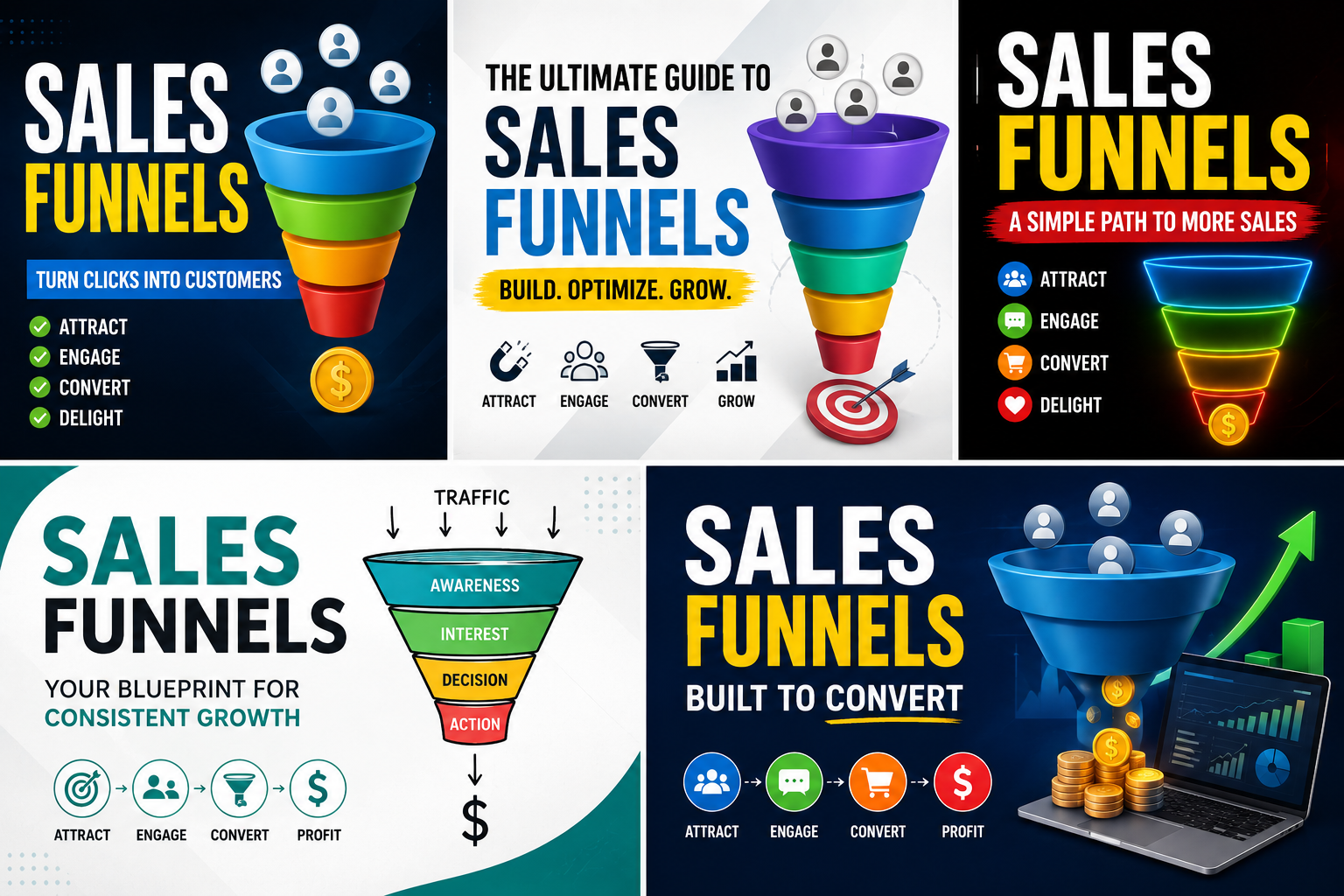
Micro-Funnels and Landing Page Isolation: The Anti-Website Playbook
The Hook
Websites are built for browsing; funnels are built for converting. If you are sending paid ad traffic directly to your homepage or a cluttered product page, you are effectively paying money to confuse your audience.
Core Concept
In a mobile-first world, conversion rates are heavily dictated by two elements: load speed and cognitive focus. Modern direct-to-consumer (B2C) and SaaS funnels succeed by building highly isolated "micro-funnels"—hyper-specific, single-purpose landing pages designed around a single target pain point.AttributeStandard WebsiteIsolated Micro-FunnelNavigationFull header, footer, social iconsCompletely removed (Zero exit paths)Message FocusBroad brand overviewSingle, hyper-targeted pain point matchPrimary GoalExploration and educationImmediate single action (Buy or Opt-in)Load SpeedOften slow due to heavy elementsUnder 1 second (Highly optimized)
Key Takeaways
- The Rule of Direct Correspondence: The headline on your landing page must perfectly mirror the emotional hook or problem promised in your ad copy. If your ad promises an ergonomic solution for lower back pain, the page headline shouldn't say "Welcome to our wellness shop"—it must read "Finally, a solution for lower back pain."
- Eliminate Choice Paralysis: Remove all traditional navigation links, sidebars, and external distractions. Give the user exactly two options: complete the primary call to action, or hit the back button.
- The Cost of Friction: Page load delay is a massive conversion killer. Every additional second a page takes to load can significantly drop your conversions. Optimize images, limit heavy scripts, and keep your funnel infrastructure lightweight.